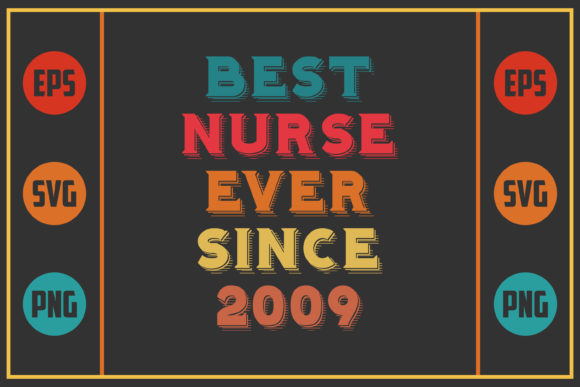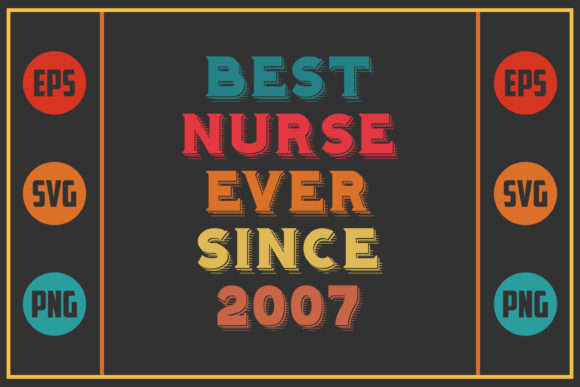
Best Nurse Ever Since 2011
First Impressions of Best Nurse Ever Since 2011
From the moment I opened the .zip file, Best Nurse Ever Since 2011 felt like a design that was made with purpose. The SVG file is clean and well-structured, making it easy to work with in most digital design software. The overall mood of the design is warm and heartfelt, perfect for projects that celebrate healthcare professionals. It has a classic, recognizable style that feels both nostalgic and modern at the same time.
The layout is straightforward but effective, with a central image that draws the eye. The detail level is just right—enough to make the design stand out without being overly complex. It’s clear this design was created with real embroidery use in mind, not just as a graphic for screen display.
Best Nurse Ever Since 2011 in Real Embroidery Projects
When considering where to place Best Nurse Ever Since 2011, it naturally fits on custom apparel, especially items like tote bags, sweatshirts, and baby clothes. The design is versatile enough to work on both casual and more formal pieces. It also makes a great embroidered patch or apron design, adding a personal touch to functional items.
I tested the design on a few different fabrics, and it held up well. The stitch density is moderate, which means it won’t be too heavy on thin or stretchy materials. However, I would recommend using a stabilizer when working with delicate or textured fabrics to prevent puckering or distortion.
For small business owners and Etsy sellers, Best Nurse Ever Since 2011 could be a valuable addition to a collection of handmade products. It works well as a personalized gift, especially for nurses or nursing students. The design’s simplicity also makes it ideal for printable mockups and digital product previews.
Where to Use Carefully
While Best Nurse Ever Since 2011 is a solid design, there are some situations where caution is needed. On small hoop sizes, the design might require repositioning, so it’s important to check your machine’s capabilities before starting. For curved surfaces like caps or hats, the design may need slight adjustments to fit properly.
On dark fabric, the thread color contrast is important. If you’re using a light-colored thread on a dark background, make sure the stitches are dense enough to show up clearly. Similarly, on thin or stretchy fabrics, the design may need extra support from a good stabilizer to maintain its shape after stitching.
For commercial embroidery projects, it’s essential to confirm the licensing terms before selling finished products. Make sure the design is suitable for both personal and commercial use, and always test it thoroughly before committing to a large batch.
Impact on Visual Appeal and Customer Trust
Best Nurse Ever Since 2011 adds a professional touch to any project. Its clean lines and clear composition make it instantly recognizable, which can help build trust with customers. When used on handmade products or personalized gifts, it elevates the overall look and feel of the finished item.
As an embroidery designer, I know how important it is for a design to look good on a variety of fabrics and in different settings. Best Nurse Ever Since 2011 performs well in both light and dark fabric backgrounds, giving you flexibility in your design choices. This versatility is a big plus for craft businesses looking to offer a wide range of options.
For small shop products and boutique branding, this design can serve as a consistent visual element that reinforces your brand identity. Whether it’s used on a holiday gift or a custom apparel piece, it maintains a high level of quality and appeal.
Practical Designer Notes for Best Nurse Ever Since 2011
Before using Best Nurse Ever Since 2011 in any project, I recommend testing it on scrap fabric first. This helps you understand how the stitches will look on your chosen material and allows you to adjust the design if needed. Pay close attention to the thread colors and ensure they complement the fabric you’re using.
Check the stitch density to make sure it’s appropriate for your project. If the design is too dense, it may cause the fabric to pucker or become stiff. Conversely, if it’s too sparse, the details might not show up as clearly as they should.
Confirm the hoop size required for the design. If your machine has limitations, you may need to break the design into smaller sections or adjust the layout. Also, inspect small details like lettering and corners to ensure they’re sharp and well-defined.
Test the design in black and white mockups to see how it looks without color. This can help you identify any issues with contrast or clarity. Compare it on both light and dark fabric backgrounds to ensure it works in all scenarios.
Finally, always use the proper stabilizer for your fabric type. This will help maintain the integrity of the design and ensure a smooth, professional finish. Whether you're creating a handmade product or a commercial embroidery project, these steps can make a big difference in the final result.